Everything is related
Nobody cares
John Rider Klauder's Three Laws
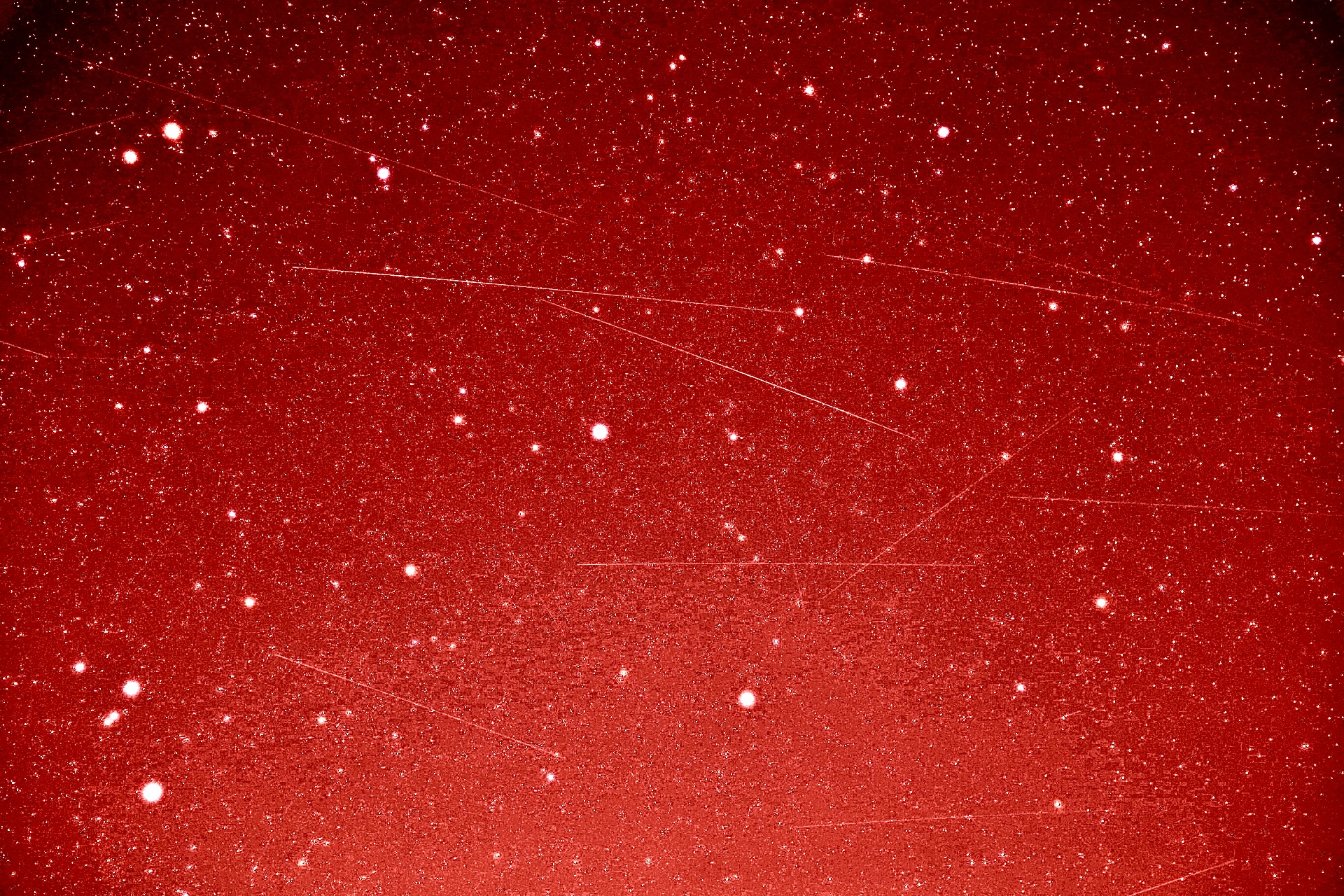
More enthusiasts than ever take beautiful images of the night sky. These days, hard- and software that was previously accessible to professional researchers are affordable to and manageable by many amateur astronomers. The resulting fabulous images shared on social media or published by whatever news outlets give to the casual admirer the impression that the night sky is still an unchallenged pristine paradise. In some ways it still is. To the more attentive earthly observer though the night sky is ever more technologically contaminated by human civilization - be it by illuminating their habitats on Earth's surface, or by putting ever more satellites into Earth's orbit.
This page collects examples of the ever more degraded night sky as it appears if no fancy software is run on the pictures to erase human-caused pollution. The pictures elucidate what we already lost, but (on the brighter side) also what we still have left. Once we really mess up though, in particular in Earth's orbit, it will take a very long time before the beauty of the serene night sky returns.
Air Traffic, a nuisance by day and also by night - at most places on the globe.
In highly populated regions that lie under highly frequented airways, the effect is easily visible on days
when the air is close to saturation at around 10 000 meters:
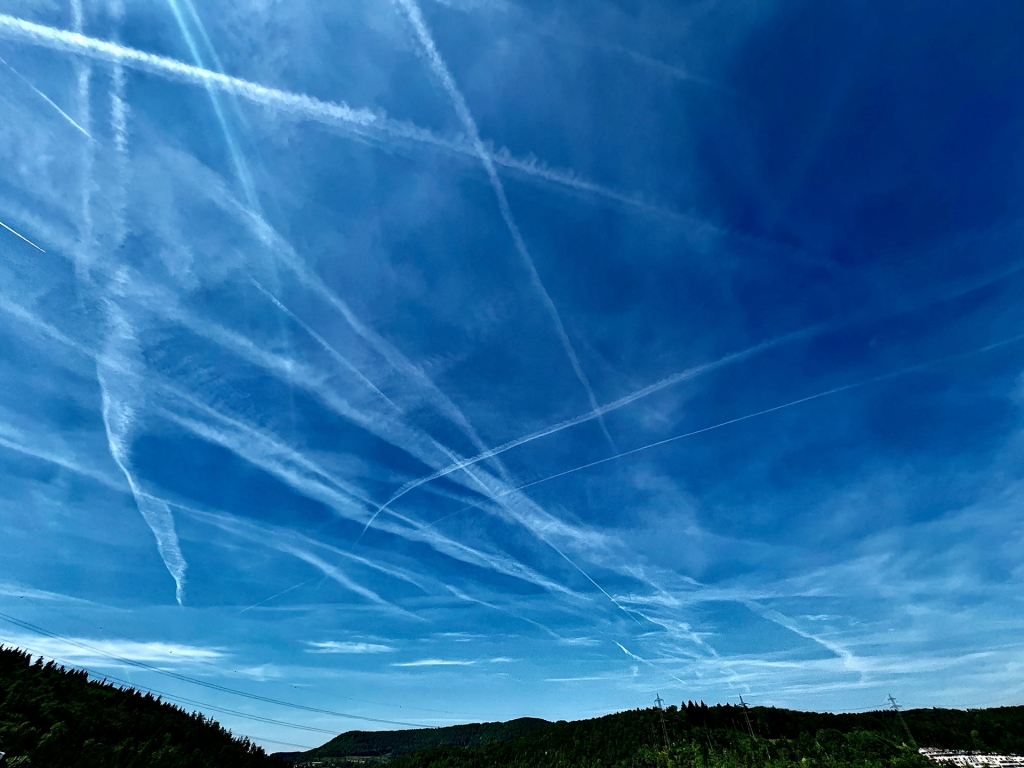
Contrails are frequently uncertain as to whether they have formed or how long they have endured, in particular in the darkness of the night. Even in the absence of contrails, air traffic with its blinking lights is a persistent nuisance to astronomers.
Terrestrial Lightpollution continues to get worse - this despite the large-scale use
of LED lighting. Conversely, urban population density has been increasing, resulting in greater lighting levels as living spaces and
transport infrastructure are developed.
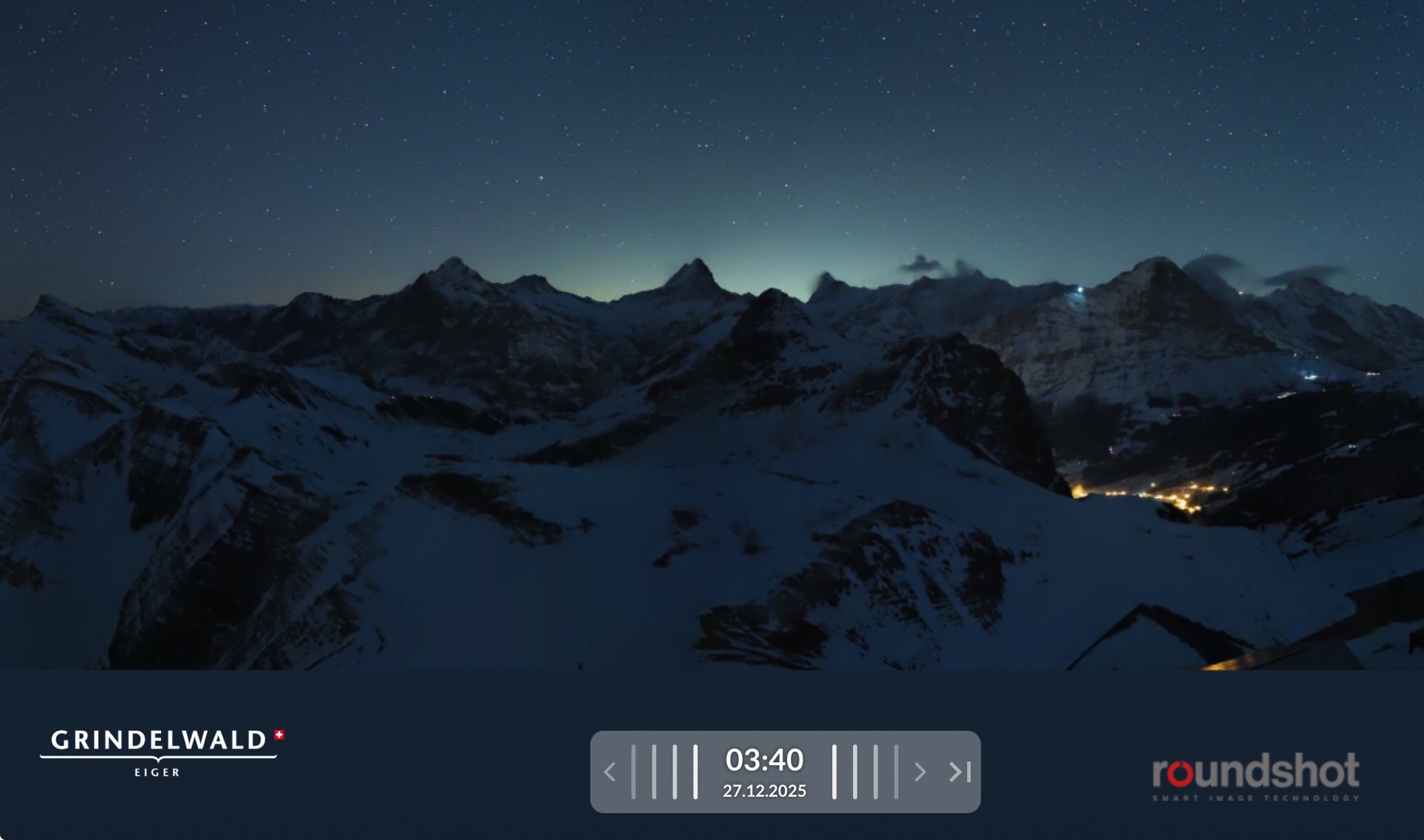
The metropolitan area of Milan is located approximately 160 kilometers south of Grindelwald. Nevertheless, the brightening of the southern horizon behind the peaks of the Central Alps is significant. The lights on the mountain ridges to the top right of the screenshot are emitted from the Mittellegi Hut (on the left) and the Jungfraujoch (on the right). The two are separated by the north face of the Eiger. Due to light pollution in the south (and Switzerland's less-than-ideal weather), astronomical research at the observatory on the Jungfraujoch was discontinued years ago.
The view to the north from the same spot as in the picture above: Many of the larger cities in Switzerland's Mittelland were shrouded in fog that night. Nevertheless, their light domes are clearly visible as bright fans across the entire webcam screenshot:
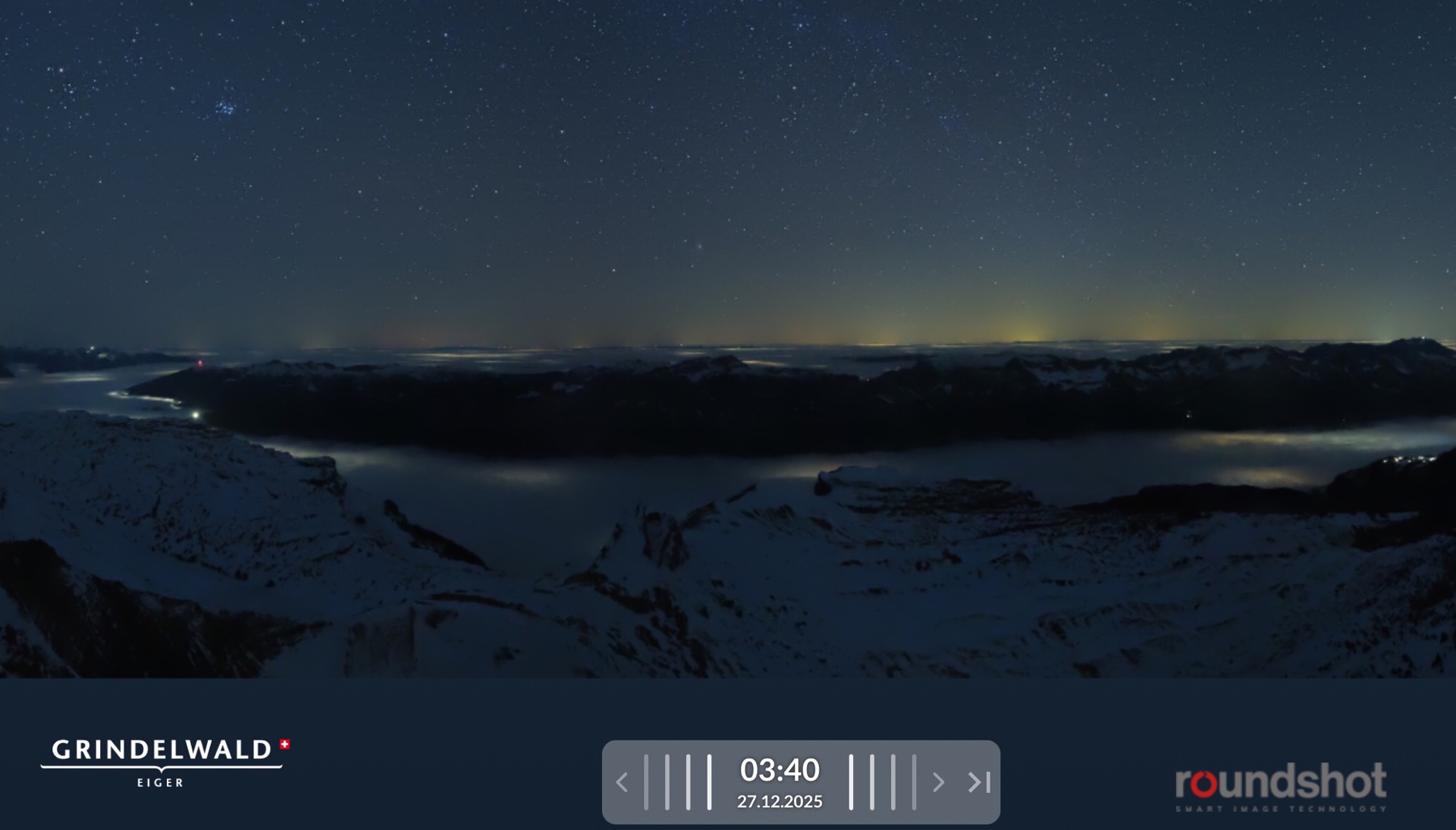
Orbital Lightpollution quickly overtakes the nuisance level of air traffic.
The number of satellites is growing rapidly with the boom
in commercial exploitation of near-Earth space just getting started.
On September 20, 2026, orbit.ing-now
reported 16 657 active satellites orbiting Earth. Visit their webpage to learn how the number changed in the meantime.